Introduction
Controlling hunger can feel like an uphill battle, especially as we age. Our metabolism slows, hormones shift, and that persistent desire to eat seems to grow stronger regardless of how much we've just eaten. The good news is that your appetite isn't purely a matter of willpower—it's largely controlled by hormones and chemical signals in your body. Understanding these signals and learning which natural foods that suppress appetite hormones can help you manage them is a practical, science-backed approach to weight management. In this article, we'll explore how your hunger hormones work, why they sometimes work against you, and most importantly, which everyday foods can help you regain control. By making informed dietary choices, you can work with your body's natural systems rather than against them.
How Hunger Hormones Work: The Science Behind Your Appetite
Your appetite isn't simply about stomach fullness. Instead, it's orchestrated by a complex system of hormones that send signals to your brain about when you need food and when you should stop eating. The two primary players in this system are ghrelin and leptin.
Ghrelin, often called the "hunger hormone," is produced in your stomach and signals your brain that it's time to eat. Levels naturally rise before meals and fall after eating. Leptin, the "satiety hormone," is produced by your fat cells and tells your brain that you're full and should stop eating. When these hormones are balanced and functioning properly, your appetite feels manageable. However, several factors can throw this delicate system out of balance, leading to constant cravings and overeating.
A 2020 study published in the *American Journal of Clinical Nutrition* found that poor sleep, high stress, and certain dietary patterns can significantly elevate ghrelin while simultaneously reducing leptin sensitivity. This means your body sends stronger "eat now" signals while becoming deaf to "you're full" messages. Adults over 40 are particularly vulnerable to these imbalances because hormonal changes naturally accompany aging. Additionally, processed foods high in refined sugars and low in fiber can disrupt these hormonal signals, creating a cycle where you eat more but never feel satisfied. Understanding this biochemistry is the first step toward choosing natural foods that suppress appetite hormones and restoring balance.
Signs That Your Hunger Hormones May Be Out of Balance
Not everyone experiences appetite challenges in the same way. Recognizing the specific signs that your hunger hormones are dysregulated can help you take targeted action. One of the most common signs is constant hunger despite eating regular, adequate meals. You might finish lunch and feel satisfied for only an hour or two before hunger returns with intensity. This differs from genuine physical hunger—it's more of a persistent mental preoccupation with food.
Another telltale sign is intense cravings for sugar and refined carbohydrates, especially in the afternoon or evening. When leptin signaling is impaired, your brain doesn't register fullness from whole foods, so it seeks the most calorie-dense options available. You might also notice that you feel unsatisfied after meals, leading you to continue eating past the point of comfort. Late-night snacking is another common symptom—your ghrelin remains elevated even in the evening, prompting unnecessary eating when your body doesn't need fuel.
Weight gain despite not dramatically increasing calorie intake is another indicator. A 2019 study in *Obesity* found that individuals with dysregulated ghrelin and leptin gained more weight over time even when total calorie consumption remained relatively constant. Some people also report feeling fatigued or experiencing mood changes when they try to eat less, which suggests their hunger hormones are strongly resistant to dietary restriction. If you experience frequent hunger, difficulty feeling full, or an inability to stop eating once you start, these are signs your appetite regulation system needs support.
How Dysregulated Appetite Affects Daily Life and Health
The impact of imbalanced hunger hormones extends far beyond occasional overeating. For many adults over 40, constant hunger and food preoccupation consume mental energy that could be directed toward work, relationships, or hobbies. The frustration of trying to follow a diet while battling powerful biological hunger signals can lead to stress, shame, and repeated cycles of restriction and overeating.
Chronic overeating driven by hormone imbalance typically results in gradual weight gain, which then creates additional health challenges. Extra weight increases inflammation throughout the body, elevates blood pressure, and raises the risk of type 2 diabetes and heart disease. Additionally, dysregulated appetite hormones often coexist with poor blood sugar control, meaning energy crashes mid-morning or mid-afternoon create further food cravings. This creates a self-perpetuating cycle where hormonal imbalance drives eating patterns that worsen the hormonal imbalance.
The metabolic consequences are significant too. When your body is constantly receiving strong hunger signals, it's operating in a state of perceived scarcity, which can actually slow your metabolism and make weight loss more difficult. Many adults find themselves stuck—unable to lose weight despite genuine efforts at calorie restriction—because their underlying hormone imbalance hasn't been addressed. This is why managing hunger hormones is not vanity; it's fundamental to both physical health and quality of life.
Natural Approaches to Rebalance Your Appetite System
Beyond food choices, several lifestyle factors powerfully influence your hunger hormones. Sleep is perhaps the most underrated factor. A 2021 meta-analysis in *Sleep Health* showed that people who sleep fewer than seven hours per night have significantly elevated ghrelin and reduced leptin sensitivity. If you're struggling with appetite, prioritizing consistent sleep of seven to nine hours should be your first step. Poor sleep alone can sabotage even the best dietary efforts.
Stress management is equally important. Chronic stress elevates cortisol, which in turn drives up ghrelin and promotes cravings for calorie-dense comfort foods. Regular exercise, meditation, or simply spending time outdoors can help regulate cortisol. Physical activity also directly improves leptin sensitivity and can reduce ghrelin levels, especially when combined with strength training or high-intensity interval work.
Meal timing and eating patterns also matter. Eating in a consistent pattern—rather than erratic grazing—helps stabilize hormone signals. Many people find that eating three structured meals with planned snacks works better than constant small eating, as it allows ghrelin to rise and fall in a natural rhythm. Additionally, eating protein and fat with each meal slows digestion and helps prevent the blood sugar crashes that trigger renewed hunger. When you combine these lifestyle strategies with a conscious choice to eat natural foods that suppress appetite hormones, you create a comprehensive approach to appetite management.
Key Nutrients and Foods That Support Appetite Regulation
Certain foods have a direct, science-backed effect on hunger hormone levels. Protein is at the top of this list. When you consume protein, it naturally increases satiety and reduces ghrelin while promoting leptin sensitivity. A 2020 study in *Nutrients* found that increasing protein intake to 30% of daily calories significantly improved fullness and reduced late-night cravings. Excellent protein sources include fish, chicken, eggs, Greek yogurt, legumes, and cottage cheese.
Soluble fiber is another powerful appetite regulator. Foods like oats, barley, Brussels sprouts, and apples contain fiber that slows gastric emptying and promotes the release of satiety hormones. Research in the *Journal of Nutrition* demonstrated that people consuming 10 grams of soluble fiber daily experienced significant reductions in hunger and spontaneous calorie intake.
Healthy fats—particularly those containing omega-3 fatty acids—support leptin signaling and promote fullness. Fatty fish, avocados, nuts, and olive oil are excellent choices. Polyphenol-rich foods like green tea, berries, and dark chocolate have also been shown in multiple studies to influence appetite regulation positively. This is why many people find that incorporating targeted nutritional support alongside dietary changes can enhance their results when lifestyle alone feels insufficient.
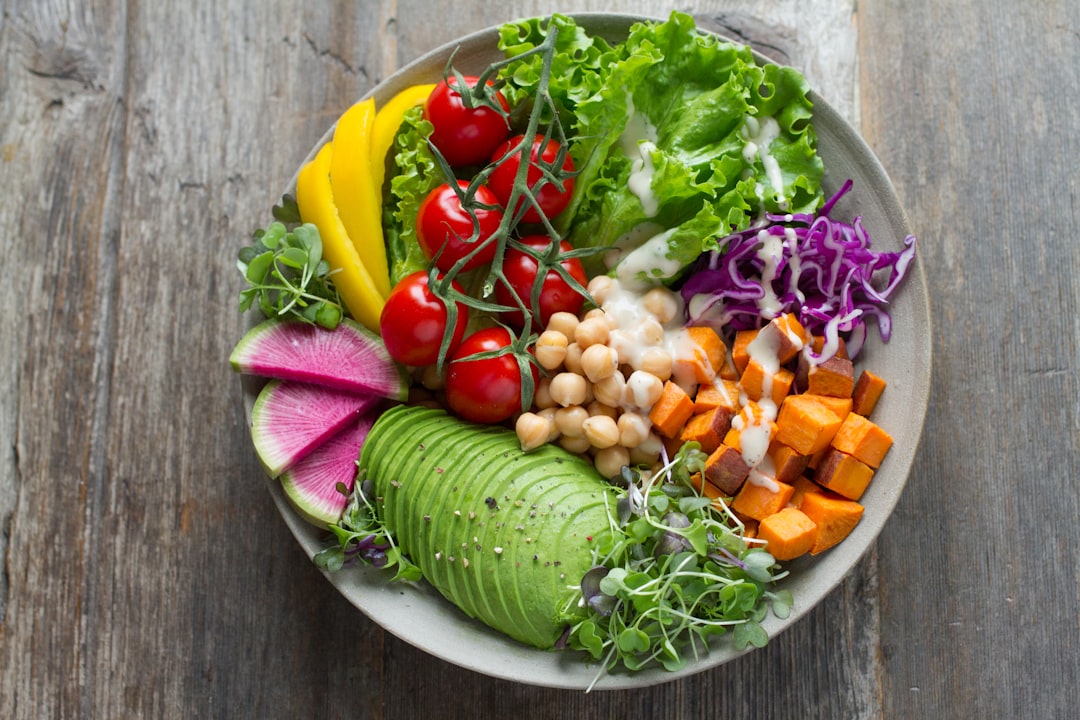
Additionally, foods with a low glycemic load help prevent blood sugar swings that trigger renewed hunger. Whole grains, non-starchy vegetables, and legumes keep blood sugar stable and ghrelin levels in check. The combination of protein, fiber, healthy fat, and low-glycemic carbohydrates creates meals that naturally satisfy hunger hormones, making overeating less likely.
Frequently Asked Questions
Q: How long does it take to see results when using natural foods to manage appetite hormones?
A: Most people notice improvements in hunger within one to two weeks of consistently choosing protein-rich, fiber-rich whole foods and improving sleep. However, deeper hormonal rebalancing typically takes four to eight weeks. Consistency matters more than perfection—even 80% adherence produces noticeable results in appetite control and energy levels.
Q: Can appetite hormone dysregulation be completely reversed?
A: Yes, for most people. If dysregulation is driven by lifestyle factors like poor sleep, high stress, or dietary patterns, addressing these factors can fully restore normal hunger signaling within weeks or months. However, if hormonal imbalance is tied to underlying conditions like PCOS or thyroid dysfunction, professional medical guidance is necessary alongside dietary approaches.
Q: Which foods are most effective at suppressing ghrelin specifically?
A: Protein-rich foods like eggs, fish, and legumes are most effective at directly suppressing ghrelin. Soluble fiber (oats, barley) and moderate amounts of healthy fat also help. Green tea and bitter foods may provide additional ghrelin-suppressing effects, though the evidence is still emerging.
Struggling with constant hunger despite eating enough? Your appetite challenge may stem from hormone imbalance rather than lack of willpower. While dietary changes are the foundation, many adults explore targeted nutritional support to address the underlying factors discussed in this article. Visit our homepage to learn more about options specifically formulated around appetite hormone management.