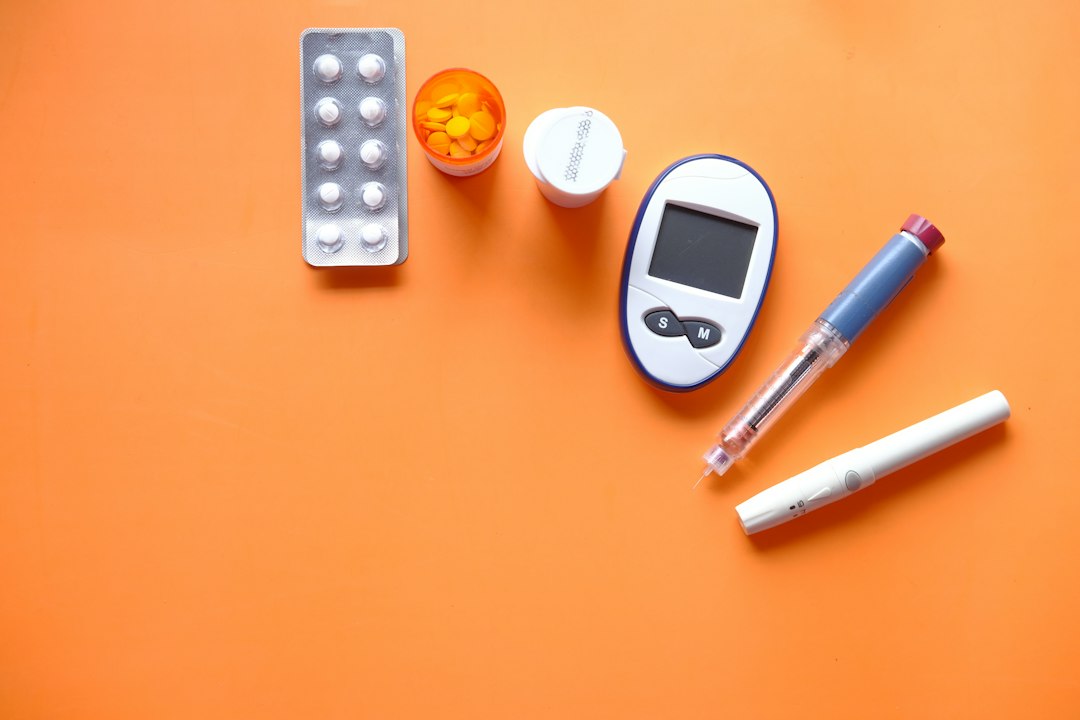
Introduction
If you've been gaining weight despite eating less and exercising more, insulin resistance may be the hidden culprit. For adults over 40, this metabolic condition becomes increasingly common, yet many people don't realize they have it. Understanding how does insulin resistance cause weight gain is the first step toward reclaiming control of your body and your health. Unlike simple calorie imbalance, insulin resistance creates a physiological trap where your body actively works against your weight loss efforts. This article explores the science behind this frustrating cycle, identifies the warning signs, and provides practical, evidence-based strategies to reverse it and restore your metabolic health.
What Is Insulin Resistance and Why It Develops
Insulin is a hormone your pancreas produces to help your cells absorb glucose (blood sugar) for energy. When you eat carbohydrates, your blood sugar rises, and insulin shuttles that glucose into your cells. In a healthy metabolic state, this process works smoothly. However, with insulin resistance, your cells become progressively less responsive to insulin's signal. Your pancreas responds by producing more insulin to compensate, creating a vicious cycle of elevated insulin levels circulating through your bloodstream.
Several factors contribute to insulin resistance development, particularly in midlife. A sedentary lifestyle is one of the most significant culprits—when muscles don't contract regularly through exercise, they lose their ability to efficiently absorb glucose. Excess body fat, especially visceral fat stored around your organs, actively produces inflammatory compounds that interfere with insulin signaling. A diet high in refined carbohydrates and sugar keeps blood sugar and insulin levels constantly elevated, gradually wearing down your cells' responsiveness. Chronic stress and poor sleep also elevate cortisol, a hormone that promotes insulin resistance. Additionally, a 2019 study published in the journal Nutrients found that inflammation, often driven by processed foods and sedentary behavior, is a primary driver of insulin resistance in adults over 40.
Age itself plays a role too. After 40, metabolic rate naturally declines, muscle mass decreases, and hormonal changes (particularly in women approaching or in menopause) increase susceptibility to insulin resistance. Your genetic predisposition matters as well—if your parents had type 2 diabetes or metabolic syndrome, you're at higher risk. The good news is that insulin resistance is not inevitable and can be reversed with targeted lifestyle and dietary changes.
How Insulin Resistance Directly Causes Weight Gain
Understanding the mechanism of how insulin resistance cause weight gain requires looking at what elevated insulin does to your fat cells. When insulin levels remain persistently high, your body enters a storage mode. Insulin is fundamentally an anabolic (building) hormone—it tells your body to store energy rather than burn it. High insulin levels suppress two critical fat-burning hormones: glucagon and adiponectin. Simultaneously, elevated insulin increases the activity of lipoprotein lipase, an enzyme that promotes fat storage in your adipose tissue.
Perhaps more problematically, insulin resistance disrupts your appetite regulation. When your cells resist insulin, your brain—particularly the hypothalamus—doesn't receive the proper satiety signals from leptin, a hormone that tells you when you're full. This leads to constant hunger and intense cravings for carbohydrates and sugar, creating a psychological and physiological drive to eat more. A 2020 meta-analysis in the American Journal of Clinical Nutrition confirmed that insulin resistance is strongly associated with increased appetite and reduced fullness sensation.
Additionally, high insulin levels promote the storage of glucose as glycogen in your liver and muscles, but once those stores are full, excess glucose gets converted directly to fat through a process called de novo lipogenesis. Your body becomes a fat-storage machine. Meanwhile, your cells aren't getting adequate energy signals, so you feel tired and unmotivated to exercise—creating a double bind where you gain weight while simultaneously losing the motivation and energy to move your body. This is why calorie restriction alone often fails for people with insulin resistance; they're fighting against powerful hormonal signals driving weight gain and hunger.
Warning Signs and Symptoms of Insulin Resistance
Many people don't know they have insulin resistance because there are no obvious external symptoms in the early stages. However, several warning signs should prompt you to pay attention. One of the most visible is unexplained weight gain, particularly around your midsection and belly area. Visceral abdominal fat accumulation is a hallmark of insulin resistance because your liver and abdominal organs are sensitive to insulin's fat-storage signals.
You might notice persistent fatigue despite adequate sleep, especially after meals high in carbohydrates. This "post-meal crash" happens because your body overproduces insulin, driving blood sugar too low and leaving you exhausted. Brain fog and difficulty concentrating are also common, as your brain's glucose supply becomes unstable. Many people report intense cravings for sweet or starchy foods—your brain is literally crying out for quick energy because your cells aren't utilizing glucose efficiently.
Skin changes can also signal insulin resistance. Acanthosis nigricans—dark, velvety patches of skin, usually appearing on the neck, underarms, or inner thighs—is a recognized dermatological marker of insulin resistance. You might also experience more frequent infections or slower wound healing, as elevated insulin impairs immune function and tissue repair. For women, insulin resistance often manifests as irregular periods, increased facial hair, or polycystic ovary syndrome (PCOS). Mood disturbances, including increased anxiety or depression, may occur due to blood sugar instability affecting neurotransmitter production.
A simple blood test can confirm insulin resistance. Your doctor can measure fasting insulin levels (elevated fasting insulin suggests resistance) or order a Homeostatic Model Assessment (HOMA-IR) score, which combines fasting glucose and insulin measurements to assess resistance severity. A fasting insulin level above 10 mIU/mL generally indicates insulin resistance, though optimal is below 5 mIU/mL.
How Insulin Resistance Impacts Your Daily Life and Health
Beyond weight gain, insulin resistance significantly diminishes quality of life and accelerates multiple chronic disease processes. The constant fatigue makes it difficult to enjoy activities with family, pursue hobbies, or maintain an exercise routine. The brain fog affects work performance and mental clarity. The relentless hunger creates an exhausting psychological battle—you feel like you're always fighting food cravings, which undermines motivation and self-confidence.
More concerning are the long-term health consequences. Insulin resistance is the underlying driver of type 2 diabetes. A 2021 study in Diabetes Care found that people with untreated insulin resistance have a 50% risk of developing type 2 diabetes within 10 years. It significantly increases cardiovascular disease risk by promoting high blood pressure, inflammation, and unfavorable cholesterol profiles. Insulin resistance accelerates cognitive decline and increases dementia risk, so much so that some researchers now call Alzheimer's disease "type 3 diabetes."
For women, insulin resistance worsens PCOS symptoms and infertility. It accelerates aging through increased inflammation and oxidative stress. It promotes fatty liver disease, even in people of normal weight. Essentially, insulin resistance creates a cascade of metabolic dysfunction that touches nearly every system in your body. The good news is that even modest improvements in insulin sensitivity can reverse many of these consequences and dramatically improve your quality of life and long-term health outlook.
Natural Approaches and Lifestyle Changes to Reverse Insulin Resistance
The most powerful tool for reversing insulin resistance is regular physical activity, particularly resistance training and high-intensity interval training (HIIT). When muscles contract, they pull glucose directly from your bloodstream without requiring insulin—bypassing the resistance entirely. A 2022 study in the Journal of Applied Physiology showed that just 30 minutes of resistance training three times weekly significantly improved insulin sensitivity within 8 weeks. HIIT workouts are particularly effective; even 15-20 minutes of intense bursts followed by recovery periods can dramatically improve how your cells respond to insulin.
Sleep quality profoundly affects insulin sensitivity. During deep sleep, your body regulates hormones that control glucose metabolism. A 2019 study in Sleep Health found that people sleeping fewer than 6 hours nightly had significantly worse insulin resistance than those sleeping 7-9 hours. Poor sleep increases cortisol, which directly promotes insulin resistance. Prioritize consistent sleep schedules, aim for 7-9 hours nightly, and create a cool, dark sleep environment.
Stress management is equally critical. Chronic psychological stress elevates cortisol, which antagonizes insulin and promotes visceral fat storage. Meditation, yoga, deep breathing exercises, and time in nature all measurably reduce cortisol and improve insulin sensitivity. Even 10 minutes of daily meditation has been shown to improve insulin resistance markers within weeks.
Weight loss itself improves insulin sensitivity, but the composition matters. Losing visceral abdominal fat is particularly beneficial because this metabolically active tissue actively drives insulin resistance through inflammatory signaling. Even a 5-10% reduction in body weight can significantly improve insulin sensitivity, according to multiple clinical trials. The key is sustainable lifestyle change rather than extreme restriction, which typically backfires.
Dietary Strategies and Key Nutrients for Insulin Sensitivity
Your dietary approach is foundational for reversing insulin resistance. The primary goal is minimizing blood sugar spikes that trigger excessive insulin production. This means dramatically reducing refined carbohydrates—white bread, pasta, sugary cereals, and processed snacks. Replace these with whole grains, legumes, and non-starchy vegetables that provide fiber, which slows glucose absorption and prevents insulin spikes.
Protein at every meal is crucial. Protein doesn't spike insulin the way carbohydrates do, and it promotes satiety, reducing overall calorie intake naturally. Aim for 25-35 grams of protein per meal. Include healthy fats from sources like olive oil, avocados, nuts, and fatty fish. Fat slows gastric emptying, further moderating blood sugar responses. Omega-3 fatty acids from fish are particularly beneficial; a 2020 meta-analysis in Nutrition Reviews found that regular omega-3 consumption improved insulin sensitivity markers significantly.
Certain nutrients specifically support insulin sensitivity. Chromium enhances insulin signaling and glucose uptake; studies suggest 200-400 mcg daily may improve insulin resistance. Magnesium is essential for glucose metabolism and insulin secretion; many adults are deficient, and supplementation improves insulin sensitivity. Inositol, particularly myo-inositol, has strong evidence for improving insulin resistance, especially in women with PCOS. Alpha-lipoic acid, a powerful antioxidant, has been shown in multiple studies to improve insulin sensitivity and reduce visceral fat. This is why many adults turn to comprehensive formulas—one such option combines chromium, magnesium, inositol, and alpha-lipoic acid together, addressing multiple pathways involved in insulin resistance.
Cinnamon, berries, and green tea contain polyphenol compounds that improve insulin sensitivity through multiple mechanisms. Even moderate consumption shows measurable benefits. Vinegar, particularly apple cider vinegar, slows gastric emptying and improves glucose control; just 2 tablespoons before meals can meaningfully reduce blood sugar spikes in some individuals.
Frequently Asked Questions
Can insulin resistance be reversed completely, or is it a lifelong condition?
Insulin resistance can absolutely be reversed. It's not like type 1 diabetes, where the pancreas is permanently damaged. With sustained lifestyle changes—particularly exercise, diet modification, and weight loss—insulin sensitivity typically returns to normal within 3-6 months. Many people see improvements within weeks. However, without maintaining these changes, insulin resistance can redevelop, so it requires ongoing commitment rather than viewing it as a problem you "fix" once.
How quickly will I see weight loss results after reversing insulin resistance?
This varies individually, but most people notice meaningful changes within 4-8 weeks of implementing lifestyle changes. Initially, the weight loss may be slower than expected because you're repairing hormonal signaling and reducing inflammation—both invisible processes. However, as insulin sensitivity improves, appetite normalizes, energy increases, and weight loss typically accelerates. Many people lose 1-2 pounds weekly once their metabolism resets, compared to struggling with 0.5 pounds weekly or gaining despite restriction beforehand.
Do I need medication to treat insulin resistance, or can lifestyle changes alone work?
Lifestyle changes alone are remarkably effective for reversing insulin resistance, particularly in early-to-moderate stages. Metformin, a common medication, can help, but it works best alongside lifestyle modifications, not instead of them. Most doctors recommend trying aggressive lifestyle changes first, then adding medication if needed. The advantage of lifestyle changes is they address root causes and improve overall health simultaneously, whereas medications only manage the symptom of high insulin.
Moving Forward
Insulin resistance is frustrating because it creates a physiological environment where your body actively resists your weight loss efforts. But it's also empowering once you understand it, because you now know the solution isn't about willpower or eating less—it's about fixing the underlying metabolic dysfunction. The strategies outlined here—exercise, sleep, stress management, and dietary changes—address the root cause rather than just the symptoms.
Your results will compound as you implement these changes. Better sleep improves stress resilience and exercise recovery. Regular exercise improves insulin sensitivity and sleep quality. Dietary improvements reduce inflammation, increase energy for exercise, and stabilize mood. Within weeks, you'll likely notice improved energy, clearer thinking, reduced cravings, and—perhaps most satisfyingly—weight loss that actually stays off.
If you're dealing with insulin resistance and weight gain despite your best efforts, know that you're not alone—and it's very treatable. Many people find that combining lifestyle changes with targeted nutritional support accelerates their results. TrimX is formulated specifically with the nutrients shown in research to support insulin sensitivity and healthy weight management. Explore whether it might be a helpful addition to your overall approach.
Related Reading
Why Your Metabolism Slows Down in Your 40s and 50s
Foods That Actually Boost Metabolism and Reduce Cravings